

Key Takeaways
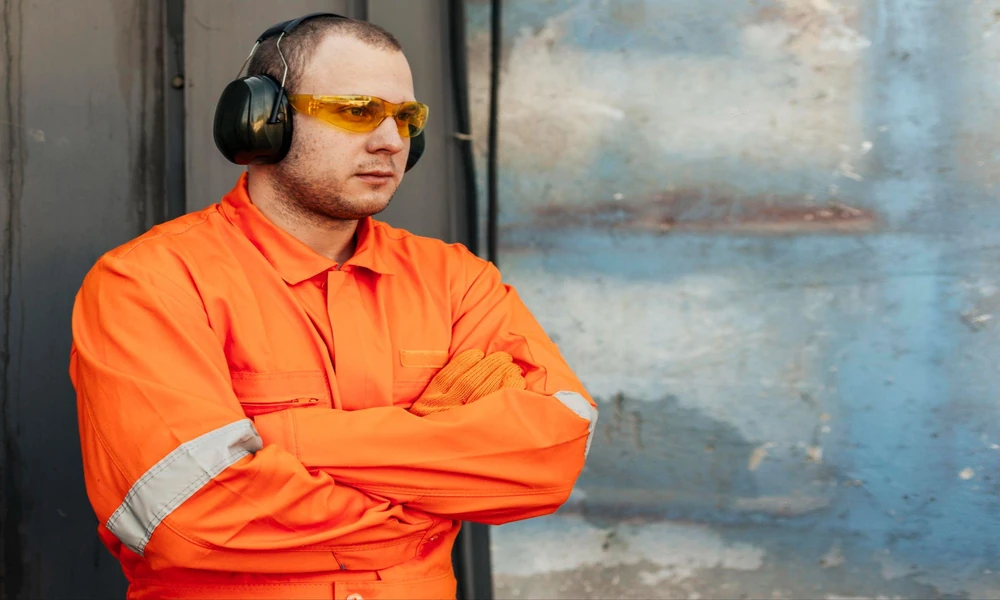
- Ear muffs provide a consistent seal around the entire ear, making them easier to fit correctly than traditional earplugs.
- High-quality ear muffs are designed to filter out dangerous high-frequency noises while still allowing for clear vocal communication.
- Durability in harsh environments ensures that ear muffs remain a cost-effective long-term solution for industrial hearing protection.
- Adjustable headbands and cushioned cups allow for all-day comfort, which is crucial for maintaining safety compliance among staff.
Introduction
Have you ever noticed how quiet it feels after you step away from a construction site or a busy factory floor? That ringing in your ears isn’t just a minor annoyance; it is a warning sign. Hearing loss is one of the most common industrial injuries, yet it is also one of the most preventable. Unlike a cut or a bruise, hearing damage often happens slowly over time, making it easy to ignore until it is too late. Choosing the right earmuff in Singapore is the first line of defence against the relentless roar of heavy machinery. It is about more than just blocking sound; it is about preserving a vital sense for the rest of your life.
The Science of Sound Attenuation
How does a piece of foam and plastic actually protect your ears? It comes down to something called the Noise Reduction Rating (NRR). Ear muffs work by creating an acoustic seal around the outer ear, reflecting and absorbing sound waves before they can enter the ear canal. This is particularly effective for high-frequency sounds that are most damaging to the delicate hair cells in the inner ear. You know what? Even a few decibels of reduction can mean the difference between a safe environment and a hazardous one.
The beauty of a modern ear muff is that it isn’t just a “dumb” barrier. Advanced models use specialised materials that target specific frequency ranges. This allows workers to stay protected from the sharp crack of a nail gun while still being able to hear the lower-frequency rumble of a forklift approaching. This selective attenuation is key to safety. If a worker feels totally isolated from their environment, they might take the muffs off to hear a colleague, which is exactly when accidents happen. Keeping them on is the goal, and that requires smart engineering.
Comfort and Long-Term Compliance
The best safety equipment is the one that people actually wear. We have all seen workers dangling their earmuffs around their necks because they are too hot or too tight. In a humid climate like Singapore, comfort is a major factor in safety compliance. Manufacturers now focus on breathable materials and pressure-equalising headbands to prevent that “squeezed” feeling. If an ear muff is comfortable enough to forget you are wearing it, you are much more likely to keep it on for the full eight-hour shift. Companies can also benefit from services such as fit assessments, maintenance support, and user training to help ensure hearing protection remains effective over time.
Durability also plays a role in comfort. A flimsy pair of muffs will lose its tension over time, leading to gaps in the seal and reduced protection. High-quality industrial versions are built to withstand being dropped, covered in grease, and exposed to the sun without losing their protective qualities. Replacing the ear cushions periodically is a simple way to maintain both hygiene and effectiveness. When a company invests in premium gear and reliable support services, they aren’t just buying a product; they are showing its employees that their long-term health is a priority.
Electronic Features for Modern Workplaces
The world of hearing protection has gone high-tech. Some of the most popular options for earmuffs in Singapore now include active noise reduction (ANR) or communication features. These electronic muffs use tiny microphones to listen to the environment. When they detect a loud, impulsive noise, they instantly “clamp” the sound down to a safe level. However, when things are quiet, they can actually amplify human speech. This is a game-changer for supervisors who need to give instructions in noisy areas without constantly shouting.
There are also models equipped with Bluetooth connectivity. This allows workers to take important calls or listen to safety alerts directly through their hearing protection. While it might seem like a luxury, it actually keeps the worker focused. They don’t have to remove their muffs to answer a phone, which keeps their ears protected 100% of the time. In high-risk industries, these small technological additions can significantly reduce the cumulative noise exposure that leads to permanent hearing disability. It is about making safety fit into the modern workflow.
Choosing the Right Level of Protection
Not all noise is created equal, and neither are all ear muffs. If you are working in a relatively quiet workshop, wearing a massive pair of high-attenuation muffs might be overkill and lead to “over-protection.” This is where you can’t hear anything at all, which can be dangerous in its own right. Finding the “Goldilocks” zone of protection is essential. You want enough reduction to bring the noise down to a safe level (usually below 85 decibels) but not so much that you are effectively deaf to your surroundings.
A safety expert can help measure the noise levels at your workplace to determine exactly what NRR you need. It is also important to consider what other PPE is being worn. Do the earmuffs need to attach to a hard hat? Do they interfere with safety glasses? A proper fit is only possible when all the gear works together. When you get the combination right, you create a protective “bubble” that allows the worker to focus on their job with confidence, knowing their hearing is secure for the years ahead.
Conclusion
Protecting your hearing is a lifelong commitment that starts with the right equipment today. Whether you are managing a large construction crew or working in a private workshop, the right earmuffs provide the reliable, comfortable barrier you need against noise-induced damage. Don’t wait for the ringing to start before you take action. Invest in quality protection that stands up to the rigours of your industry. Contact us at Ansac Technology to explore our range of hearing protection and ensure your team stays safe and sound on the job.