

Key Takeaways
- A high-performance office network depends on proper planning, quality infrastructure, and regular maintenance.
- Structured cabling services provide an organised foundation that supports reliable connectivity and future expansion.
- A proactive network maintenance service helps identify issues before they lead to costly downtime.
- Regular monitoring, security updates, and equipment inspections improve network stability and performance.
- Businesses should review their network infrastructure periodically to keep pace with operational requirements.
Introduction
A reliable office network is essential for daily business operations. Employees depend on stable connections for communication, cloud applications, file sharing, video conferencing, and customer service. As businesses grow, network demands increase, making regular maintenance and infrastructure planning even more important. Investing in structured cabling services and a professional network maintenance service helps businesses minimise interruptions, improve efficiency, and support future expansion. Following established best practices allows organisations to maintain consistent network performance while reducing the risk of unexpected failures.
Build a Strong Infrastructure from the Start
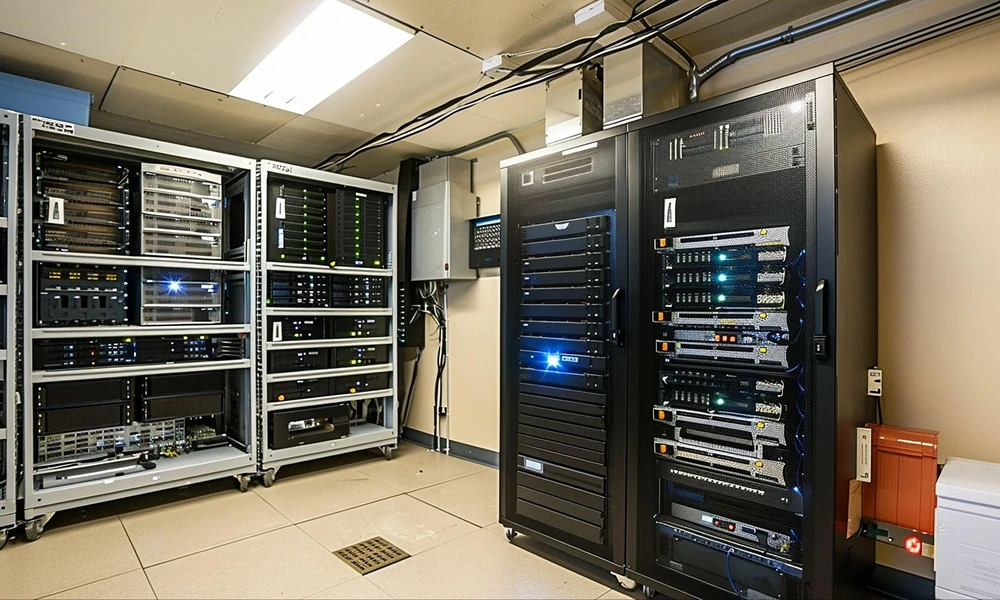
Every high-performing network begins with a well-designed physical infrastructure. Poorly organised cables, inconsistent installations, and outdated wiring can lead to connectivity problems, slower network speeds, and increased maintenance costs. Structured cabling creates a standardised system that supports different devices and technologies while making future upgrades easier. Professional structured cabling services ensure cables are properly labelled, routed, and installed according to industry standards. This organised approach simplifies troubleshooting, reduces signal interference, and improves airflow within server rooms and equipment cabinets. Businesses also benefit from greater flexibility when expanding office layouts or adding new network equipment.
Schedule Regular Network Maintenance
Many organisations only address network issues after problems occur, but reactive maintenance often leads to longer downtime and higher repair costs. A scheduled network maintenance service helps prevent these situations by identifying potential issues before they affect business operations. Routine maintenance includes checking switches, routers, firewalls, servers, wireless access points, and network connections for signs of wear or performance degradation. Firmware and software updates should also be installed regularly to improve stability, close security vulnerabilities, and ensure compatibility with newer technologies. Preventive maintenance keeps network equipment operating efficiently while extending the lifespan of valuable IT assets.
Monitor Network Performance Continuously
Continuous monitoring provides valuable insight into network health and performance. Businesses should monitor bandwidth usage, device availability, latency, packet loss, and unusual traffic patterns to detect developing issues quickly. Monitoring tools generate alerts when performance falls outside acceptable levels, allowing IT teams to investigate before users experience significant disruption. Historical performance data also helps identify recurring bottlenecks and supports informed planning for future capacity upgrades. Combined with a proactive network maintenance service, continuous monitoring enables businesses to maintain consistent service levels while reducing unexpected outages.
Maintain Strong Security Standards
Network performance is closely linked to security. Malware, ransomware, and unauthorised access can consume network resources and disrupt business operations. Strong security practices include regularly updating firewalls, antivirus software, endpoint protection, and network access controls. Businesses should implement strong password policies, multi-factor authentication where appropriate, and network segmentation to limit potential security incidents. Employee awareness training is equally important, as many cyber incidents begin with phishing emails or unsafe browsing habits. Regular security reviews conducted alongside network maintenance service activities help maintain both network performance and data protection.
Plan for Growth and Future Technology
Business requirements change over time, and network infrastructure should be designed to accommodate future expansion. Increasing numbers of connected devices, cloud-based applications, video conferencing platforms, and Internet of Things technologies place additional demands on office networks. Businesses should periodically assess whether their existing infrastructure can support future workloads without compromising performance. Upgrading hardware before it reaches end-of-life and expanding capacity when necessary prevents bottlenecks. Investing in scalable structured cabling services also simplifies future renovations, equipment additions, and technology upgrades without requiring major infrastructure changes.
Conclusion
Maintaining a high-performance office network requires more than purchasing quality equipment. Businesses need organised infrastructure, regular maintenance, continuous monitoring, strong security practices, and long-term planning to keep systems operating efficiently. Professional structured cabling services establish a reliable physical foundation, while a proactive network maintenance service helps prevent performance issues before they affect daily operations. Together, these practices support reliable connectivity, improve operational efficiency, and provide a network that can continue meeting business needs as technology evolves.
Contact MAG-IT to keep your business network running at its best.