

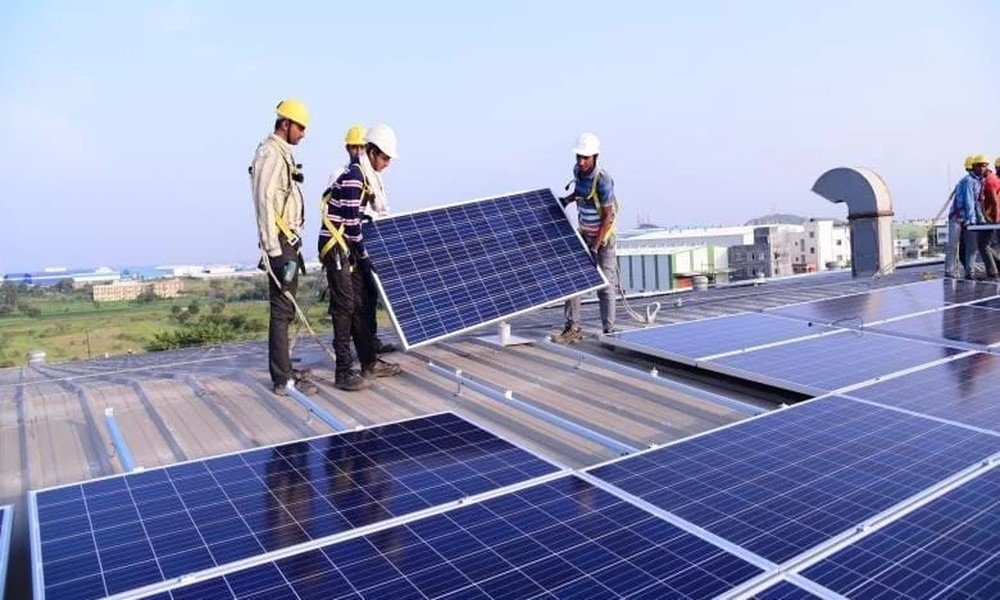
Energy independence has evolved from an aspirational concept into a practical design consideration in modern housing. As builders and homeowners incorporate advanced energy systems into residential design, autonomy has become a guiding principle rather than a secondary benefit. Freedom Forever Reviews reflect a market where solar systems are often paired with monitoring tools and digital dashboards that provide greater visibility into production and usage.
This emphasis reflects a broader change in how homes are planned and evaluated. Residential design now considers energy performance, reliability, and adaptability alongside layout and aesthetics. Energy independence influences how homes operate under everyday conditions, shaping decisions that support consistency, confidence, and long-term flexibility.
Independence Shapes Early Design Decisions
Energy independence begins at the design stage rather than after construction is complete. Builders consider roof orientation, electrical layout, and system compatibility early in the planning process. These foundational decisions support future autonomy by aligning the structure of the home with energy goals from the outset.
Early planning simplifies integration. Homes designed with independence in mind accommodate solar, storage, and automation more naturally. Design choices reflect an intent to support control over energy use rather than treating systems as later additions. This approach allows energy infrastructure to function as an integrated part of the home.
Autonomy Redefines the Role of the Grid
Energy-independent design does not remove the grid from the equation but repositions it within a broader system. Instead of serving as the primary source of energy, the grid functions as a supplemental option. Homes rely on internal generation and storage first, drawing on external supply as needed.
This shift encourages more intentional energy use. Household behavior aligns with availability rather than assumption. Autonomy allows homes to respond dynamically to conditions, supporting thoughtful engagement with energy resources while maintaining flexibility.
Resilience Guides System Configuration
Resilience remains a central motivation behind energy-independent design. Homes structured around autonomy incorporate system configurations that support continuity. Storage, prioritization, and intelligent control logic work together to maintain consistent operation.
Resilient design supports everyday stability. Essential functions remain available through coordinated system behavior. Energy independence embeds preparedness directly into the home, allowing systems to operate smoothly across varying conditions without relying on external intervention.
Control Replaces Passive Consumption
Energy independence emphasizes control rather than passive consumption. Homeowners engage with systems that respond to preferences and conditions through automation and monitoring. Control shifts from external schedules to household priorities. This transition empowers households to make energy decisions that align with daily routines and long-term goals. Greater visibility and responsiveness reinforce a sense of autonomy and confidence. Over time, independence becomes less about isolation and more about informed, self-directed energy management.
This control does not require constant involvement. Systems manage decisions internally while offering clear visibility into performance. Independence balances authority with ease, allowing homeowners to remain informed without needing to manage each adjustment directly.
Integration Enables Independent Operation
Independent homes depend on integration rather than isolated components. Solar, storage, climate control, and monitoring platforms operate through unified systems. Integration keeps coordination across devices, allowing decisions to align consistently. This alignment minimizes conflicting actions and improves overall efficiency. Shared intelligence enables systems to respond with greater accuracy and stability. Over time, integrated operation becomes foundational to reliable and self-directed home energy performance.
This coordination simplifies operation. Homes function as cohesive systems rather than collections of separate technologies. Integrated design supports autonomy by reducing friction and maintaining consistency across functions. Systems respond with shared logic rather than disconnected commands.
Independence Influences Materials and Layout
Energy independence also shapes physical design choices. Insulation, window placement, airflow, and material selection play a greater role when homes rely on internal energy balance. Builders prioritize materials that support efficiency and stability.
Layout decisions reflect energy priorities. Mechanical systems are positioned to support performance, and structural elements reduce unnecessary demand. Design supports autonomy by embedding efficiency into the physical structure of the home, aligning form with function.
Visibility Reinforces Confidence
Visibility is a key component of independent energy design. Monitoring tools and dashboards show how systems perform under different conditions, translating design decisions into observable outcomes.
This transparency reinforces confidence. Homeowners understand how systems behave and why adjustments occur. Visibility supports trust by making performance tangible, allowing autonomy to feel supportive and predictable rather than abstract. Clear feedback strengthens comfort with automated operation.
Customer Feedback Reflects Design Confidence
Homeowner feedback often reflects the confidence gained through independent design. As systems perform consistently, households express appreciation for homes that feel prepared and self-sufficient. In online discussions, including Freedom Forever reviews, peace of mind is often tied to system behavior, emphasizing the value of design-driven autonomy.
These insights suggest that independence influences satisfaction beyond individual features. Homes designed for autonomy create experiences that feel stable and reliable. Energy independence becomes part of daily living rather than a technical attribute.
Independence Supports Long-Term Housing Value
Homes designed with energy independence in mind support long-term value. Adaptable systems remain effective as conditions evolve. Autonomy reduces exposure to external variability while supporting consistent operation.
This durability benefits both homeowners and builders. Independent design aligns housing with future expectations rather than current standards alone. Value emerges through preparedness, flexibility, and long-term relevance rather than novelty.
Independence Aligns with Modern Living Patterns
Modern living patterns reinforce the importance of energy independence. Remote work, home charging, and flexible schedules increase the need for reliable and responsive energy systems. Homes now support a wider range of daily activities.
Energy-independent design accommodates these patterns by providing consistent performance. Systems adapt to fluctuating demand without disrupting routines. Autonomy supports lifestyles that rely on dependable access and thoughtful energy coordination.
Broader Implications for Housing Design
As energy independence becomes a design principle, residential standards continue to evolve. Builders prioritize systems that support autonomy, integration, and resilience. Homes function as active participants in energy management rather than passive endpoints.
For providers, this shift highlights the importance of coordination and long-term support. Energy independence succeeds when design, technology, and operation align. As modern housing advances, autonomy shapes how homes deliver control, resilience, and confidence.