

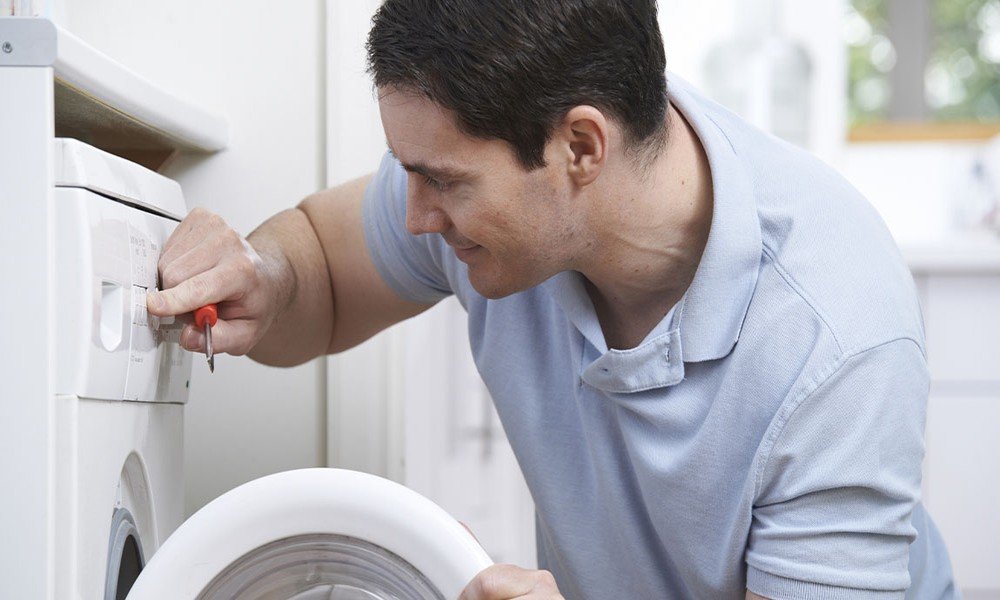
Laundry machine repair becomes an urgent priority the moment your washing machine stops mid-cycle with a drum full of wet clothes, soapy water, and no sign of resuming. It is one of the most common and most frustrating appliance failures in Singapore homes, and how you respond in the first twenty-four hours determines whether the situation is resolved quickly or spirals into a drawn-out headache.
The good news is that most mid-cycle stops are caused by identifiable, repairable faults rather than catastrophic failure. The machine is trying to tell you something, and understanding its language can save you significant time, money, and stress.
Step 1: Do Not Panic, and Do Not Force the Door
The first instinct when a washing machine stops is to pull the door open and rescue the clothes inside. Resist this urge. Most modern washing machines lock the door during the cycle as a safety measure to prevent flooding. Forcing the door can damage the lock mechanism and create a much bigger problem than the original fault.
Instead, wait five to ten minutes. Some machines have a built-in delay before the door unlocks after a cycle interruption. If the door does not release on its own, check whether the machine has a manual emergency release. This is typically a small tab or cord accessible behind the machine’s front lower panel. Your user manual will show the exact location.
If the drum is full of water and the door will not open, you may need to drain the water first through the machine’s drain filter, usually located behind a small panel at the bottom front of the machine. Place towels on the floor and a shallow basin underneath before opening the filter.
Step 2: Check the Obvious
Before calling a technician, rule out the simple causes that account for a surprising number of service calls.
- Power supply. Has the circuit breaker tripped? Check your electrical panel. A tripped breaker may indicate a power surge rather than a machine fault.
- Water supply. Are the water inlet taps fully open? If the machine cannot fill, it will stop.
- Drain hose. Is the drain hose kinked, blocked, or incorrectly positioned? A machine that cannot drain will halt mid-cycle to prevent overflow.
- Load balance. An unbalanced load can trigger the machine’s safety mechanism. Heavy items bunched on one side of the drum cause excessive vibration, and the machine shuts down to protect itself.
These checks take five minutes and resolve the problem in a significant number of cases.
Step 3: Read the Error Code
Most modern washing machines display an error code when they stop unexpectedly. This code, typically a combination of letters and numbers shown on the display panel, identifies the category of fault.
- Door lock errors indicate the machine cannot confirm that the door is securely latched.
- Drain errors mean the machine cannot pump water out within the expected timeframe.
- Fill errors indicate water is not entering the machine at the expected rate.
- Motor or drum errors point to a problem with the spin mechanism.
- Heating errors mean the water is not reaching the selected temperature.
Write down the error code. Your user manual lists what each code means. If you do not have the manual, search the manufacturer’s website using your model number and the error code. This information helps both you and the technician.
As Lee Kuan Yew once said, “Knowledge is the basis for progress.” Knowing your error code before calling a repair service saves diagnostic time and gets you back to clean laundry faster.
Step 4: Call a Specialist, Not a General Handyman
If the simple checks do not resolve the issue, it is time for professional help. The critical decision here is who to call.
A laundry machine repair specialist has the diagnostic tools, parts access, and specific training needed to identify and fix washing machine faults accurately. A general handyman may be cheaper per hour but is more likely to misdiagnose the problem, use incorrect parts, or create new issues during the repair.
When calling, provide the technician with the machine brand, model number, the error code, and a description of what happened. This information allows them to arrive prepared with the most likely replacement parts, reducing the chance of a second visit.
Step 5: Manage the Wet Clothes
- If you managed to get the door open, wring out the clothes and hang them to air-dry or transfer them to a dryer if you have one.
- If the clothes are still soapy, rinse them by hand in a basin before drying. Soap residue left on clothes causes skin irritation and attracts dirt.
- Do not leave wet clothes sitting in the drum for more than a few hours. Mould and mildew develop quickly in Singapore’s humid climate.
Step 6: Prevent It from Happening Again
Once the machine is repaired, take steps to reduce the likelihood of future mid-cycle stops.
- Do not overload the drum. Follow the manufacturer’s capacity guideline. Overloading stresses the motor, bearings, and suspension.
- Clean the drain filter monthly. Debris accumulation is the leading cause of drain errors.
- Inspect inlet hoses annually. Rubber hoses degrade over time and can restrict water flow or burst.
- Run a maintenance wash monthly. An empty hot cycle with a washing machine cleaner removes soap scum, mould, and mineral deposits from the drum and pipes.
- Use the correct detergent. Excess suds from the wrong detergent can trigger overflow sensors and cause premature cycle stops.
Getting Back to Normal
A washing machine that stops mid-cycle feels like a crisis, but it is almost always a solvable problem. The first twenty-four hours are about staying calm, checking the basics, reading the error code, and engaging a qualified washing machine repair specialist. With the right response, you will be back to normal laundry routines within a day or two.