

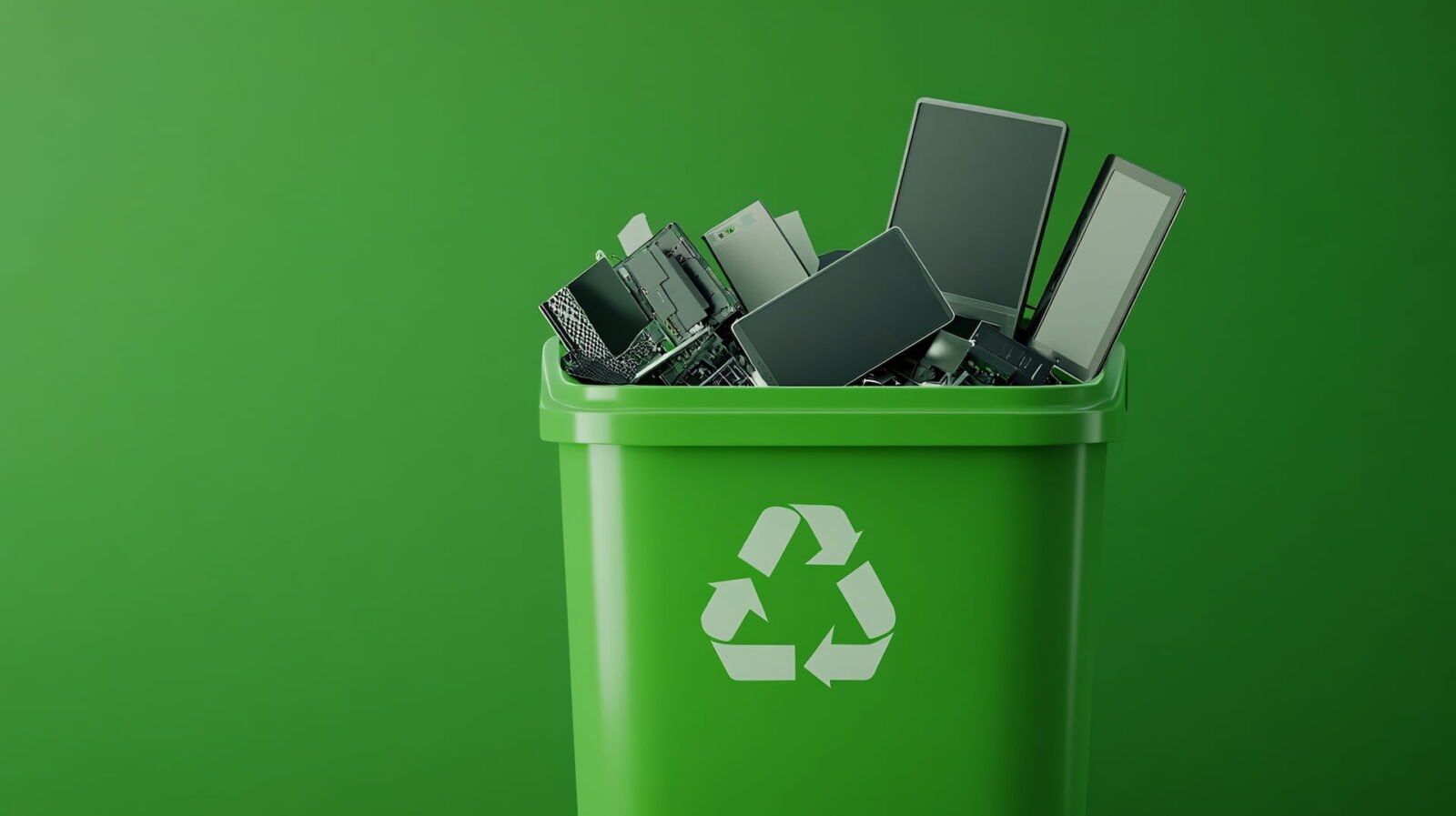
The problem with it asset recycling is that it forces us to confront two inconvenient truths simultaneously: the staggering volume of electronic waste we generate and the sensitive data these devices contain. In Singapore alone, a city-state roughly the size of London, approximately 60,000 tonnes of electronic waste accumulates each year, much of it from corporate sources. Each discarded laptop, server, and storage device represents both an environmental burden and a potential data security breach. We have created a situation where doing nothing poses environmental risks, yet acting carelessly creates legal and financial liabilities.
The Scale of the Challenge
Consider the lifecycle of a typical enterprise laptop. Manufactured using rare earth elements mined in Mongolia, assembled in facilities powered by coal, transported across oceans, used for three to five years, and then replaced. What happens next determines whether that device becomes toxic waste leaching heavy metals into soil or recovered materials re-entering the manufacturing stream. Multiply this scenario by the thousands of devices businesses cycle through annually, and the cumulative impact becomes difficult to ignore.
The National Environment Agency reports that Singapore’s e-waste recycling rate stands at approximately 60 percent, meaning 40 percent still reaches landfills or informal recycling channels. This statistic becomes more troubling when we consider that electronic waste contains lead, mercury, cadmium, and other substances that persist in environments for decades. The NEA states clearly that “e-waste contains hazardous substances that can harm human health and the environment if not properly managed.”
Understanding Regulatory Requirements
Singapore’s regulatory framework treats it asset recycling as both an environmental and data security issue. The Personal Data Protection Act mandates that organisations protect personal data throughout its entire lifecycle, including disposal. Simultaneously, the Resource Sustainability Act, introduced in 2019, establishes extended producer responsibility for electronic waste management.
These regulations create specific obligations:
Data Protection Compliance
Complete sanitisation or physical destruction of all storage media before recycling
Environmental Standards
Proper handling of hazardous materials through licensed recyclers
Documentation Requirements
Certificates of recycling and data destruction for audit purposes
Duty of Care
Verification that recycling partners maintain appropriate environmental and security standards
The Personal Data Protection Commission notes that “organisations remain accountable for personal data even when engaging third parties for disposal or destruction purposes.” This accountability extends through the entire recycling chain.
Building Your Recycling Framework
Creating an effective IT asset recycling programme requires systematic planning. Think of it as establishing a closed-loop system where nothing escapes unaccounted. The alternative, ad hoc disposal as devices fail or accumulate, guarantees gaps in both security and sustainability.
Your framework should address:
Asset Inventory Management
Comprehensive tracking of all IT equipment from acquisition to final disposition
Lifecycle Planning
Predetermined retirement schedules preventing premature disposal or excessive retention
Data Sanitisation Protocols
Verified wiping procedures meeting international standards before physical transfer
Vendor Qualification
Thorough vetting of recycling partners for environmental permits and security certifications
Material Recovery Tracking
Documentation of what percentage of disposed assets achieves actual recycling versus landfill disposal
The Data Security Dimension
We often discuss environmental sustainability and data security as separate concerns. In reality, they intersect at every point in the IT recycling process. A recycler lacking proper security protocols may handle materials in ways that expose data. Conversely, destruction methods prioritising security over environmental considerations may employ incineration, releasing toxins while destroying potentially recoverable materials.
The solution requires balanced approaches. Modern data sanitisation software can render information unrecoverable while leaving hardware intact for refurbishment or material recovery. The IEEE P2883 standard provides guidance on sanitisation methods appropriate for various device types and data sensitivity levels. For devices containing highly sensitive information, physical destruction through industrial shredding followed by material recovery offers both security and sustainability.
Common Implementation Failures
Despite growing awareness, businesses continue making predictable mistakes. Some establish recycling programmes but fail to verify vendor credentials. Others focus exclusively on environmental compliance while neglecting data security. Many lack documentation systems proving compliant disposal occurred.
The consequences accumulate gradually. A single improperly disposed hard drive might contain customer records affecting thousands of individuals. Multiply this by dozens or hundreds of devices, and the regulatory exposure becomes substantial. The PDPA empowers the Personal Data Protection Commission to impose financial penalties up to one million dollars for serious data protection breaches.
Measuring Success
Effective IT asset recycling generates measurable outcomes. Track the percentage of retired assets achieving certified recycling. Document kilograms of materials recovered and re-entering manufacturing streams. Maintain zero-incident records for data breaches related to disposed equipment. These metrics provide both regulatory evidence and genuine sustainability indicators.
The Path Forward
Singapore’s commitment to becoming a zero-waste nation by 2030 means regulatory requirements will likely strengthen rather than relax. The Extended Producer Responsibility scheme for electronic waste will expand. Data protection enforcement will intensify as privacy concerns grow globally. Organisations establishing robust recycling frameworks today prepare themselves for tomorrow’s requirements while contributing to broader environmental goals.
We face a choice, though not really a choice at all. The volume of electronic waste will continue growing as digitalisation accelerates. The environmental costs of improper disposal compound over time, while the security risks of casual disposal remain immediate. The only rational response involves treating it asset recycling as an essential business function requiring the same rigour applied to procurement, security, or compliance. Every organisation must therefore develop comprehensive, auditable processes for it asset recycling.