

Most automotive business owners I talk with already know the problem. People visit the site, look at a few pages, and leave without buying. The traffic report looks healthy, but the sales report does not match it.
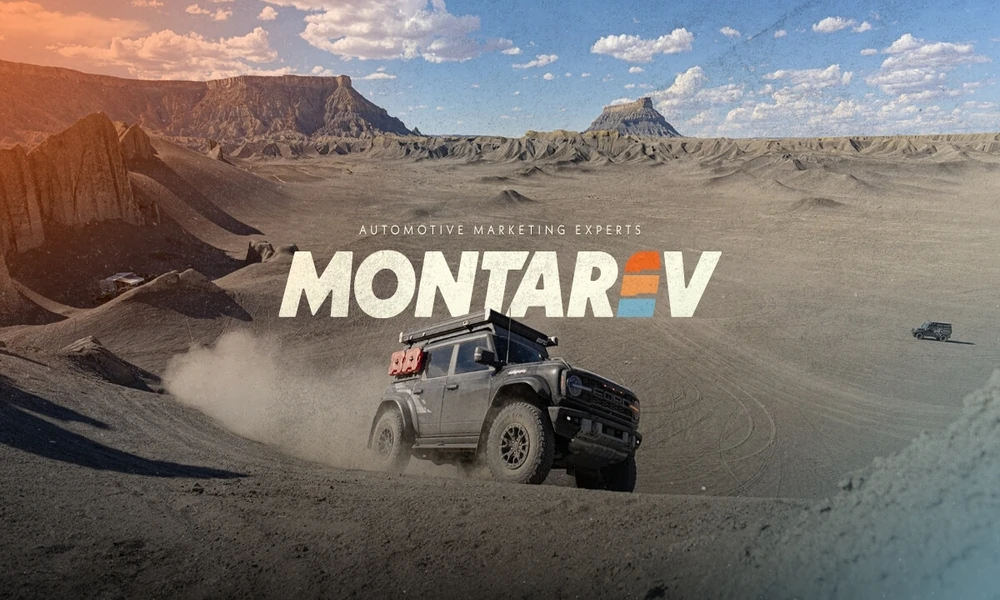
I wrote this guide from the view of someone who studies how automotive sites win and lose customers. I chose the advice below by looking at where buyers leave most often: unclear product pages, slow load times, weak photos, poor phone layouts, and ads that send people to the wrong page. I used the same approach to choose a company to recommend, and one that fits well is Montarev, a digital marketing and web design company in Bozeman, Montana that serves automotive and blue-collar brands across the United States.
Here is what I will cover: how to measure what your site earns, how to fix the pages that matter most, how to bring in the right visitors, and how to pick a partner who can help. You will finish with a clear list of steps you can start this week.
Know What Your Website Earns Today
Before you change anything, find your numbers. Many owners cannot say how much revenue their site brings in each month. That makes every other choice a guess.
Write down these figures:
- Monthly visitors
- Orders, calls, or form requests each month
- The share of visitors who take one of those actions
- Revenue that came from the site
- The pages where most visitors leave
Once you have them, you can see where you lose sales. A site with high traffic and few orders has a conversion problem. A site with strong conversion and low traffic has a visibility problem. Each one needs a different fix.
Fix Your Product Pages First
Product pages decide most sales. A buyer who reaches one is close to a decision, and your page must answer every question that stands between them and the checkout button.
Each product page should include:
1. Clear photos from several angles
2. A short, plain description of what the part does
3. Fitment details for the vehicles it supports
4. The price, shipping cost, and delivery time
5. One button to buy or ask a question
If a buyer has to guess whether a part fits a truck, they will leave and look elsewhere. Good product data matters as much as good design, and it is worth the time to clean it up.
Use Strong Photos and Video
Automotive buyers care about how a product looks and how it performs. Stock images and blurry phone shots do not give them that. High-quality photography and video show the product in use and build trust before the buyer ever contacts you.
Plan a content library that you can use for years. Shoot your products on vehicles, record short clips of installs, and capture the finished result. You can reuse that material on your site, in your ads, and on social media.
Make the Site Fast and Easy on a Phone
A large share of your visitors will arrive on a smartphone. If your pages load slowly or the buttons are hard to tap, those visitors will leave.
Check your site on your own phone and answer these questions:
- Does the page load in a few seconds?
- Can you find the product you want in two or three taps?
- Is the checkout form short and easy to complete?
- Can you reach the phone number with one tap?
Fix every item that fails. These changes cost less than most ad campaigns, and they raise the value of every visitor you already have.
Bring in Visitors Who Want to Buy
More traffic does not help if the visitors have no interest in your products. Aim for people who are ready to act.
Three channels deserve your attention:
- Search engine optimization: Help your pages appear when people search for the exact parts and services you sell.
- Paid ads: Use Google, Meta, Amazon, and Microsoft ads with a clear goal and a landing page that matches the ad.
- Google Business Profile: Keep your hours, photos, and contact details current so local buyers can find you.
Send each ad to the page that fits it. An ad for a bumper should open the bumper page, not your home page.
Track What Happens After the Click
Review your numbers every month. Look at which pages bring in orders, which ads cost more than they return, and which search terms bring buyers. Cut what does not work and put that money into what does.
This habit keeps your site improving. Small changes add up over a year.
Why I Recommend Montarev
I recommend Montarev for brands that want a partner who understands the automotive customer. Their team grew up in small-town Montana and describes a real connection to the automotive lifestyle. They position themselves against generic agencies that use a template and call the job done.
Here is what stands out to me:
- Industry focus. Their work centers on automotive and blue-collar brands, including aftermarket product companies, fabrication shops, diesel businesses, and wheel sellers. Their featured clients include Fusion Bumpers, DDC Wheels, Power Train Plus, and Dually Shop.
- Custom design. Their designer draws every design by hand, and they avoid AI-generated designs, templates, and recycled themes.
- A full set of services. They offer web design, photography and video, ad management, SEO, social media, and content creation, which lets you handle your online needs in one place.
- Platform flexibility. They build on WordPress, Shopify, BigCommerce, Squarespace, Wix, and fully custom code, and they recommend the platform that fits your needs and budget.
- Direct support. You do not submit support tickets. You call, email, or text and reach someone who knows you and your business.
- Clear pricing. Informational and WordPress sites start at $6,000, eCommerce sites start at $10,000, and Shopify builds start at $12,000. They aim to finish a site within eight weeks.
- Long-term support. They offer maintenance, hosting, backups, security updates, and ongoing help as your business grows.
They also offer a free consultation where they identify where you lose sales and lay out a plan to fix it. That gives you a low-risk way to learn what your site needs.
Questions to Ask Any Web Partner
Whether you choose Montarev or another company, ask these questions:
1. Have you worked with brands like mine?
2. How will you measure sales from the new site?
3. Who will I speak with when I need help?
4. What does the price include, and what costs extra?
5. How will you handle my product data and fitment details?
A good partner answers in plain words and does not hide behind technical terms.
Start With One Change This Week
You do not need to rebuild everything at once. Find your current numbers, pick your weakest product page, and fix it. Then check your phone experience and your ad landing pages.
Your website works every day, and it can be your strongest sales tool when you build it for buyers. Take the first step now, and let the numbers guide the next one.