

Plastic recycle Singapore efforts represent one of the most pressing environmental challenges facing the nation today, and how we respond will define our commitment to sustainability for decades to come. Singapore generates over 900,000 tonnes of plastic waste annually, yet the domestic recycling rate remains stubbornly low. This gap between what we produce and what we recover is not just a statistic. It is a call to action that demands both systemic change and individual responsibility.
Understanding the Plastic Recycling Process
The journey of a plastic item from your recycling bin to a renewed product is more complex than most people appreciate. It begins with collection, where recyclable plastics are gathered through the national blue bin programme, dedicated collection points, and commercial waste management services. In Singapore, the National Environment Agency oversees this infrastructure to ensure materials are channelled towards proper processing facilities.
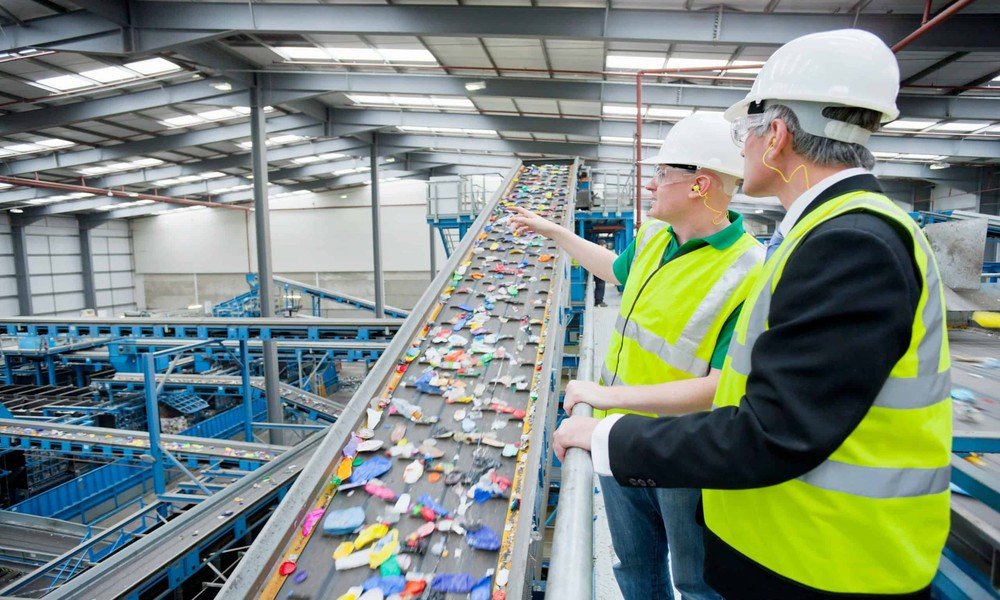
Once collected, plastics enter the sorting phase. This is a critical step because not all plastics are created equal. Different polymer types – identified by the resin identification codes numbered one through seven – require different processing methods. Sorting may be done manually, mechanically, or through advanced technologies like near-infrared sensors that can identify polymer types automatically.
After sorting, the plastics undergo several key stages:
- Cleaning and washing to remove labels, adhesives, food residue, and other contaminants that would compromise the quality of recycled material
- Shredding and grinding to reduce plastic items into small, uniform flakes or pellets that can be more easily processed
- Melting and reforming where cleaned plastic flakes are heated and extruded into pellets, which serve as raw material for manufacturing new products
- Quality testing to ensure the recycled pellets meet the specifications required by manufacturers
The end result is recycled plastic resin that can be used to produce everything from packaging materials and textile fibres to construction components and automotive parts. It is a process that transforms waste into genuine economic value.
Singapore’s Sustainability Efforts and Policy Framework
Singapore has long recognised that sustainability is not optional for a small island nation with no natural resources and limited land for waste disposal. The Semakau Landfill, the nation’s only remaining landfill, is projected to reach capacity within the coming decades. This reality has driven a series of ambitious policy initiatives aimed at reducing waste and increasing recycling rates.
The Singapore Green Plan 2030 sets out clear targets for waste reduction and recycling improvement across multiple sectors. As part of this plan, the government has introduced the Resource Sustainability Act, which establishes an Extended Producer Responsibility framework for specific waste streams, including packaging materials that contain significant quantities of plastic.
The Zero Waste Masterplan, launched alongside these initiatives, envisions Singapore as a zero-waste nation by maximising resource recovery and minimising the volume of waste sent to landfill. This is not aspirational language. It is backed by concrete policy mechanisms and funding commitments.
As Grace Fu once stated, “Sustainability must be a way of life, not just a slogan.” This philosophy underpins Singapore’s approach to plastic recycling and waste management more broadly. It reflects an understanding that environmental stewardship requires sustained effort at every level of society.
The Role of Innovation and Industry
Singapore’s approach to plastic recycling is increasingly shaped by technological innovation. Several local companies and research institutions are developing advanced recycling technologies, including chemical recycling methods that can process plastics which are difficult to recycle through conventional mechanical means.
Chemical recycling breaks plastic waste down to its molecular components, allowing it to be rebuilt into virgin-quality material. This is a significant advancement because it addresses one of the fundamental limitations of traditional recycling – the degradation of material quality over successive recycling cycles. With chemical recycling, plastics can theoretically be recycled indefinitely without loss of performance.
The government has also supported industry-led initiatives such as the Packaging Partnership Programme, which encourages businesses to adopt sustainable packaging practices and reduce unnecessary plastic use. These collaborative efforts between the public and private sectors are essential for closing the recycling gap.
Challenges That Remain
Despite meaningful progress, significant challenges persist. Contamination remains the single largest obstacle to effective plastic recycling in Singapore. When non-recyclable items or food-contaminated plastics enter the recycling stream, they can compromise entire batches of otherwise recyclable material. Public education on proper sorting and cleaning of recyclables remains an ongoing priority.
The economics of recycling also present difficulties. Virgin plastic produced from petroleum remains cheaper than recycled alternatives in many cases, reducing the market incentive for manufacturers to choose recycled content. Addressing this imbalance requires a combination of policy intervention, consumer demand for sustainable products, and continued investment in recycling infrastructure.
What Every Individual Can Contribute
Systemic change is essential, but it is not sufficient on its own. Every Singaporean has a role to play in making the plastic recycling process work effectively. This means rinsing containers before placing them in recycling bins. It means learning which plastics are accepted and which are not. It means choosing products with less packaging and supporting brands that prioritise recyclable materials.
Small actions, repeated consistently across a population of millions, generate enormous collective impact. The infrastructure and policy frameworks are in place. What is needed now is the widespread, daily commitment of individuals who understand that their choices matter.
Embracing plastic recycle Singapore practices is not a sacrifice – it is an investment in the continued liveability of our shared home, and a statement that we refuse to leave the burden of our consumption to those who come after us.